After surgery or an injury, our bodies will often try to protect the painful area by tightening the muscles around it. This natural response is known as muscle guarding, and while it’s well-intentioned, if muscle guarding goes on for too long, it can lead to stiffness, restricted range of motion and muscle weakness.
Fortunately, our physical therapists in Queensbury, Saratoga, Malta and Delmar can help reduce muscle guarding and restore function to your muscles and joints with a proven, multi-faceted approach.
Understanding Muscle Guarding
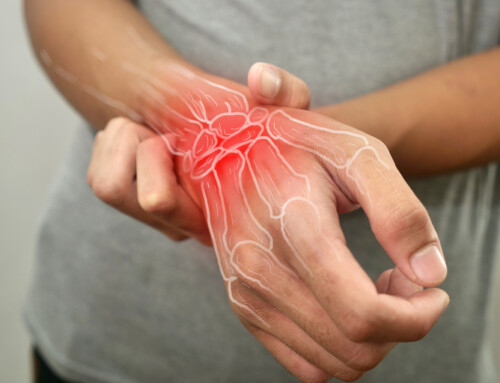
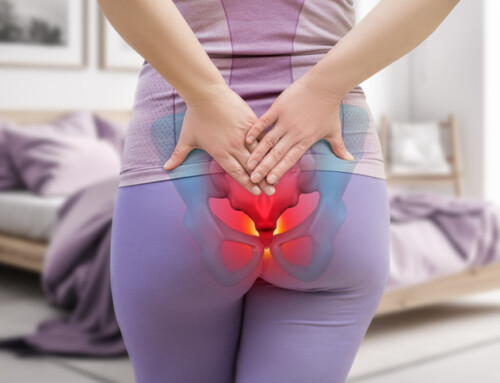
Muscle guarding is a subconscious, involuntary contraction of the muscles around an injured or painful area of the body, intended to reduce movement, prevent further damage, and allow for healing. It is typically triggered by an injury, surgery, chronic pain, inflammation or emotional stress.
- Injury – Sprains, strains or fractures often trigger immediate, protective muscle spasms.
- Surgery – Post-surgical pain, especially with knee replacement surgery, can lead to muscle guarding, making it difficult for patients to fully bend or straighten their new knee.
- Inflammation & Chronic Pain – Inflammation and other conditions, such as arthritis, fibromyalgia and chronic back pain, can cause muscles to tense up.
- Emotional Stress & Anxiety – Chronic stress, fear of reinjury, and anxiety can trigger the brain to keep muscles in a defensive, tense state, especially in the neck and shoulders.
Consequences of Muscle Guarding
While muscle guarding is beneficial in the short term, prolonged guarding that is left untreated can delay healing and lead to long-term issues.
- Reduced Mobility – Persistent muscle contractions severely limit range of motion and flexibility, leading to reduced mobility and “frozen” joints.
- Increased Pain – Constant tension turns a temporary protective mechanism into a source of ongoing stiffness and pain.
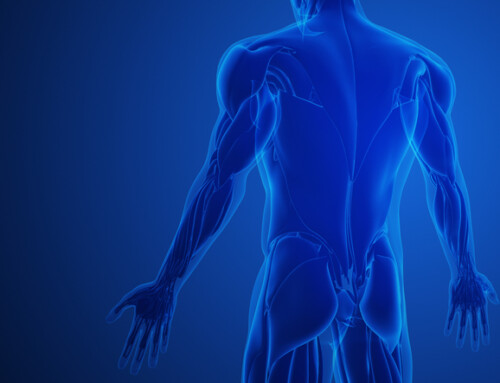
- Muscle Imbalance & Weakness – Overactive muscles become exhausted, while opposing muscles weaken, leading to structural imbalances and postural issues.
- Reduced Blood Flow & Delayed Healing – Sustained muscle contractions constrict blood vessels, reducing oxygen and nutrients to the area, and delaying healing.
How Physical Therapy Addresses Muscle Guarding
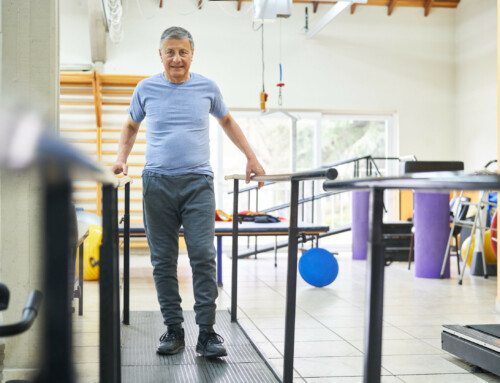
Our physical therapists use a multi-faceted approach to alleviate muscle guarding and restore function.
- Manual Therapy – Hands-on techniques, such as massage, joint mobilization, and myofascial release help to relax muscles, improve blood flow, and lessen nerve sensitivity.
- Therapeutic Exercises – Specialized stretches and strength training exercises reprogram the brain to recognize safe movement, building stability so the muscles no longer feel the need to guard.
- Hot & Cold Therapy – Heat relaxes tight muscles, while cold reduces inflammation and numbs sharp pain.
- Mobility Training – Moving within a comfortable range of motion helps stop the nervous system from sounding the muscle guarding alarm.
- Education & Stress Management – Teaching patients about the process and using deep breathing techniques helps to reduce anxiety-driven tension.
Physical Therapy for Muscle Guarding in Queensbury, Saratoga & Malta
If left untreated, muscle guarding can last for weeks or months, creating a self-perpetuating cycle of pain, spasm and restricted motion. Physical therapy addresses both the symptoms and the underlying cause to alleviate muscle guarding and promote long-term healing.
To get treatment for muscle guarding, schedule a physical therapy appointment in Queensbury, Saratoga Springs, Malta or Delmar, by calling Capital Area Physical Therapy at (518) 289-5242.