
By Sandra Kwasniak, SPT
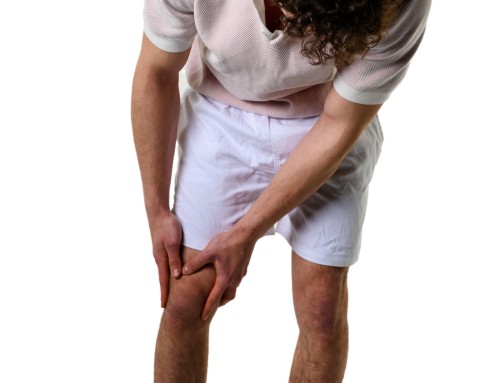
After an injury, its natural to think that the best way to heal is to rest until the pain goes away. While rest is an important part of recovery, avoiding activity altogether can actually slow your progress. In many cases, continuing with safe, appropriately modified aerobic exercise can help your body heal while maintaining your overall health and fitness.¹˒²
Aerobic exercise, also known as cardio, is any activity that raises your heart rate for a sustained period of time. Depending on your injury, this could include walking, cycling, swimming, water walking, or even using an arm bike. The key is choosing activities that allow you to stay active without placing excessive stress on the injured area.
Why Cardio Matters During Recovery
While physical therapy often focuses on restoring strength and mobility, cardiovascular exercise is just as important. Staying active benefits many systems in the body, helps maintain your fitness, and can make returning to normal activities much easier.
Many forms of cardiovascular exercise also provide a safe, progressive way to load healing tissues. Prolonged rest is not recommended for most tendon injuries. Instead, activities such as walking, cycling, or pool exercise can provide controlled loading that stimulates tendon recovery while improving cardiovascular fitness. Whether you’re recovering from achilles tendonitis or tennis elbow, appropriately prescribed exercise is often one of the most effective treatments available for tendon issues.
Improved Circulation May Improve Healing
Aerobic exercise increases blood flow throughout the body, delivering oxygen and nutrients to healing tissues while helping to remove metabolic waste products. Regular cardiovascular exercise also improves vascular function and mitochondrial health, which contributes to a healthier environment for injury recovery.²
Cardio Maintains Your Fitness
Maintaining aerobic exercise during rehabilitation also helps preserve cardiovascular fitness and endurance, making it easier to return to work, recreational activities, and sports once your injury has healed.²
How to Safely Return to Cardio
Returning to exercise doesn’t mean picking up exactly where you left off. Instead, the goal is to gradually rebuild your tolerance while respecting the healing process.
A few simple guidelines can help:
- Begin with shorter exercise sessions and use light cardio as a warmup to other
activities. - Choose low impact activities whenever possible.
- Mild soreness during or after exercise is often acceptable, but your symptoms should return to baseline within about 24 hours.
- If pain continues to worsen after each workout, reduce the intensity or duration and speak with your physical therapist.
Remember, recovery usually is not linear. Some days will feel easier than others, and occasional setbacks are completely normal. Consistency over time is far more important
than trying to progress too quickly.
Moderate Intensity Often Works Best
Not every workout needs to leave you feeling exhausted. Many people recovering from injury benefit from exercising at a moderate intensity, commonly referred to as Zone 2 training. During Zone 2 exercise, you’re breathing harder than normal, but can still comfortably carry on a conversation.
This intensity improves your body’s ability to use oxygen efficiently and builds aerobic endurance while being less fatiguing compared to high intensity exercise. For many orthopedic injuries, it provides a good balance between maintaining fitness and allowing healing tissues to recover.⁴
Physical Therapy for Aerobic Exercise Injury Recovery in Queensbury & Saratoga
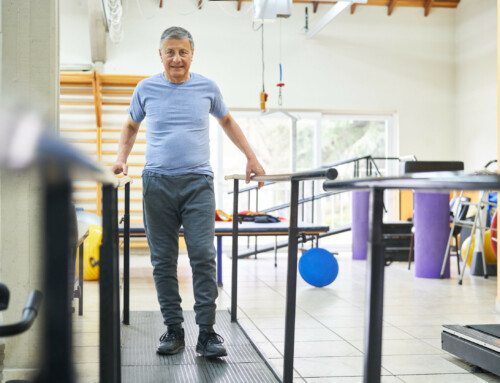
At Capital Area Physical Therapy, our experienced physical therapists can safely guide your return to aerobic exercise by creating a program that increases blood flow and accelerates healing without overloading the injury. Treatments include modified movements and low-impact options, and monitoring your heart rate to prevent deconditioning and reduce re-injury risks.
To schedule an appointment with our physcial therapists in Queensbury, Saratoga Springs, Malta or Delmar, call Capital Area Physical Therapy at 518-289-5242.
References
1. Balthazaar SJT, Hodgkiss DD, Chiou S, et al. Time is of the essence: upper-body aerobic exercise to improve cardiovascular health during inpatient rehabilitation within the first year following spinal cord injury: protocol for a randomized clinical trial. BMJ Open. 2025;15:e089868. doi:10.1136/bmjopen-2024-089868
2. Pinckard K, Baskin KK, Stanford KI. Effects of exercise to improve cardiovascular health. Front Cardiovasc Med. 2019;6:69. doi:10.3389/fcvm.2019.00069
3. Wang K, Zhao L. The influence of different modes of exercise on healthy and injured tendons. Stem Cells Int. 2022;2022:3945210. doi:10.1155/2022/3945210
4. Meixner B, Filipas L, Holmberg HC, Sperlich B. Zone 2 intensity: a critical comparison of individual variability in different submaximal exercise intensity boundaries. Transl Sports Med. 2025;2025:2008291. doi:10.1155/tsm2/2008291